
Firepit Injury Lawyer

Fire Pit Injury Lawyer - Burns & Explosion Lawsuits

Firepit Injury Lawyer 1

Fire pits are marketed as simple, cozy “ambience” products—until something goes wrong. In recent years, tabletop and portable fire pits that burn pooled liquid fuels (often alcohol or bio-ethanol) have been linked to catastrophic burn injuries, flash fires, and “flame jetting” events that can happen in seconds. The U.S. Consumer Product Safety Commission (CPSC) has issued prominent consumer alerts and pursued recalls involving these products and related fuels.

If you or a loved one suffered burns from a fire pit, tabletop fireplace, or liquid-fueled “mini fire bowl,” you may have questions about product liability, recalls, and whether a fire pit injury lawsuit could help cover medical bills and long-term losses. This page explains common hazards, what typically triggers legal claims, and steps to protect your health and your rights.

Important note: This page is general information, not legal advice. Laws and deadlines vary by state. A licensed attorney can evaluate your specific facts.

Why Certain Liquid-Fueled Fire Pits Are So Dangerous

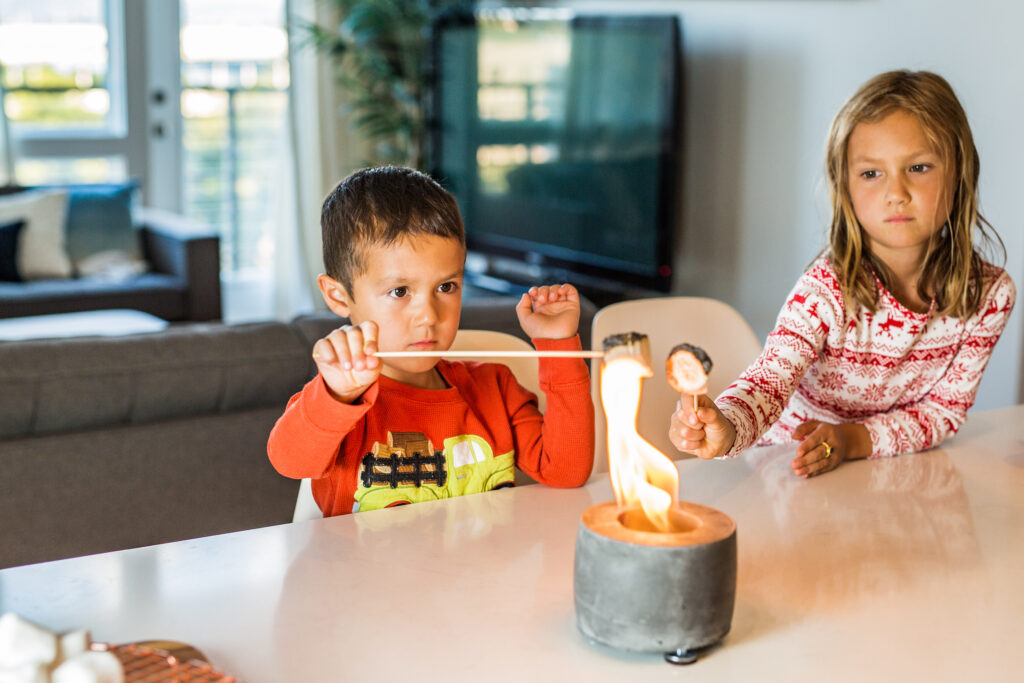
Many serious incidents involve fire pits that require users to pour liquid fuel into an open container/bowl and ignite the pooled liquid. The CPSC has warned that products designed to burn pooled alcohol or other liquid fuel can create severe hazards, including flame jetting during refueling and ignition of fuel vapors from flames that are hard to see.

Common hazard patterns reported in fire pit injuries

While every case is different, investigations often center on hazards like:

  • Flame jetting during refueling: The alcohol based fuels produce a small, hard-to-see flame that can remain present even after extinguished, suddenly igniting fuel as it’s being poured—sending fire into the container and jetting outward toward the user and bystanders.
  • Flash fire / vapor ignition: Alcohol and ethanol fuels can produce vapors that ignite suddenly, causing rapid flare-ups and clothing ignition.
  • Invisible or low-visibility flames: Some liquid alcohol fuels burn with flames that can be difficult to detect in certain lighting, leading people to refuel too soon or place hands too close.
  • Spills and splash hazards: Liquid fuels can spill, splash, or run, spreading fire to surfaces, laps, furniture, decks, or flooring.
  • Tip-over and stability problems: A small “tabletop” unit can be knocked over, or a base may not adequately prevent tipping on real-world surfaces.


The CPSC has stated that certain liquid-burning fire pits may violate a voluntary safety standard (ASTM F3363-19) when they require consumers to pour and ignite pooled liquid in the same location.

Fire Pit Recalls and Safety Alerts: Why They Matter to Your Case

A recall or consumer alert does not automatically prove liability—but it can be an important piece of evidence about foreseeable hazards, safer alternative designs, or inadequate warnings.

Examples of CPSC actions include:

  • A CPSC consumer alert warning consumers to stop using certain alcohol or liquid-burning fire pits due to flame jetting and related hazards, with reports of deaths and serious burn injuries.
  • Recalls involving fuels and fuel containers marketed for tabletop fire pits, including recalls tied to flash-fire risks and alleged violations of safety requirements for portable fuel containers and hazardous substances labeling.
  • Widely reported recalls of specific tabletop fire pit brands following incident reports and burn injuries.


If you were injured, your attorney may investigate:

  • Whether your model (or fuel) was recalled
  • Whether similar products were under warning/alert
  • Whether sellers continued marketing the product despite safety concerns
  • What safer designs or warnings were feasible at the time of sale

What Is a Fire Pit Injury Lawsuit?

Most fire pit burn cases are pursued as product liability claims. Depending on the facts, a lawsuit may involve one or more of these theories:

1) Design defect

The argument is that the product’s basic design is unreasonably dangerous—even if manufactured correctly—because it creates an unnecessary risk of flash fire, flame jetting, tip-over, or runaway ignition.

2) Manufacturing defect

A specific unit may be dangerous due to a defect in materials or assembly—such as cracks, poor seals, faulty welds, improper glass fitment, or a compromised fuel reservoir.

3) Failure to warn / inadequate instructions

Even when a product has inherent risk, manufacturers and sellers must provide clear, prominent, and accurate warnings and instructions. Disputes often focus on whether warnings were:

  • Easy to see before purchase and during use
  • Specific enough about refueling hazards (including “invisible flame” risk)
  • Adequate about what fuel to use—and what not to use
  • Honest about toxicity and burn risk


4) Negligence and other claims

Some cases also allege negligence, deceptive marketing, or warranty violations—especially when advertising downplays hazards or promotes “indoor safe” use.

Injuries Commonly Seen in Fire Pit Explosions and Flash Fires

Fire pit incidents can cause:

  • Second- and third-degree burns
  • Skin grafts and scarring
  • Hand/face/neck burns (common due to refueling posture)
  • Inhalation injuries and airway swelling
  • Permanent disfigurement and contractures
  • PTSD, anxiety, and sleep disruption after a sudden fire event


These injuries can require long hospital stays, multiple surgeries, rehab, compression therapy, and ongoing scar management.

Recent Fire Pit Recalls and Government Safety Alerts

Firepit Injury Lawyer 2Multiple government actions now focus on tabletop/portable fire pits that burn pooled alcohol or other liquid fuels, because users can be burned “in less than one second” when flame jetting, flashback, or pool fires occur—especially during refueling when a flame is hard to see. Key U.S. CPSC actions include recalls and warnings involving several popular models and brands, including:

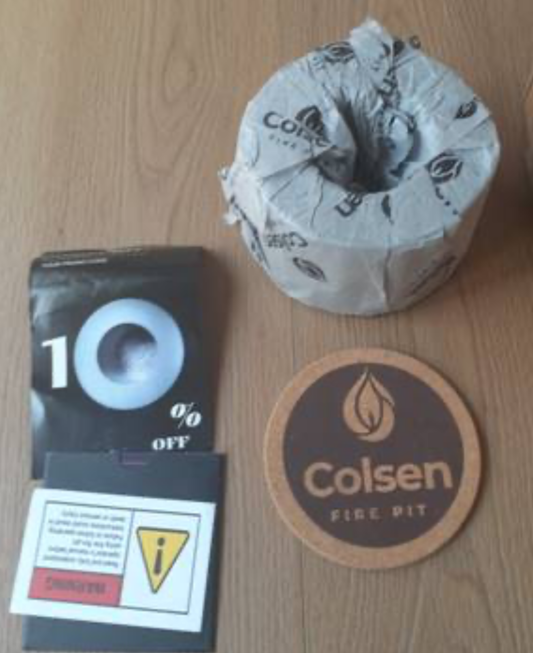
  • Colsen tabletop fire pits recalled by CPSC — seven models in multiple shapes/sizes (round, rectangular, hexagonal, square, skull-shaped), due to flame jetting and fire-spreading hazards.
  • Five Below tabletop fire pits (Recall)two models (smooth black base and beveled gray base) due to flame jetting and fire hazards.
  • FLIKRFIRE tabletop fireplaces (CPSC warning)square, round, XL, and mini models; CPSC urged consumers to stop using due to flame jetting/pool-fire hazards, with deaths and serious burn injuries reported.
  • CPSC category-wide Consumer Alert — urges consumers to stop using alcohol or other liquid-burning fire pits that require pouring fuel into an open bowl and igniting pooled liquid (ASTM F3363-19 issue), citing deaths and dozens of serious burn injuries.
  • Related fuel-container recalls (for tabletop fire pits/fireplaces) — e.g., Y’all Can DIY bioethanol fuel containers (Astemrey) and MoonSoll/Magic Chems fuel bottles (Demlar) for flash-fire risks and alleged noncompliance with portable fuel container standards.


In Canada, Health Canada has also issued alerts about similar hazards—both for specific tabletop units (including a Glanzfeurer tabletop fire pit alert) and for pourable alcohol-based fuels/firepots more broadly due to flame-jetting risk

What Compensation May Be Available?

A fire pit burn injury lawsuit may seek compensation for:

  • Past and future medical bills
  • Lost income and reduced earning capacity
  • Pain, suffering, and mental anguish
  • Disfigurement and physical impairment
  • Out-of-pocket costs (travel for burn care, wound supplies, home modifications)
  • In wrongful-death cases: funeral costs and family losses (varies by state)


The value of a case depends on the medical severity, evidence of defect/warnings, and who is legally responsible.

Who Can Be Held Responsible?

Depending on the supply chain, potential defendants may include:

  • Manufacturer of the fire pit / tabletop fireplace
  • Designer or brand owner
  • Distributor / importer
  • Retailer or e-commerce seller
  • Fuel manufacturer (and sometimes the fuel container manufacturer)
  • In some cases, parties involved in labeling, instructions, or marketing

A lawyer’s investigation often traces the product from listing to import records to identify the correct entities.

What To Do After a Fire Pit Burn Injury

Your health comes first. Then, if you can do so safely:

  1. Get medical care immediately (burns can worsen and inhalation injuries can be hidden).
  2. Preserve the product and fuel (do not throw anything away). Store it in a safe place.
  3. Photograph everything: the product, labels, fuel bottle, burn areas (as appropriate), and the scene.
  4. Save receipts, listings, and packaging, including online order confirmations and product descriptions.
  5. Identify witnesses and keep notes while the details are fresh.
  6. Do not attempt to “test” the product again.
  7. Check for recalls and document any alerts you find. (A lawyer can help confirm model numbers and recall scope.)

Learn More: CPSC Safety Information About Fire Pit Dangers

For consumer safety updates and recall information, the CPSC publishes alerts and recall notices related to dangerous fire pits and fuels.

You can also review educational resources focused specifically on these incidents at FirePitLawsuits.com, a site created to help victims understand hazards, recalls, injury patterns, and legal options.

Talk to a Fire Pit Injury Lawyer

If a fire pit, tabletop fireplace, or liquid-fueled “mini fire bowl” caused serious burns, it may be worth speaking with a product-liability attorney. Evidence can disappear quickly, and legal deadlines (statutes of limitations) vary by state.

A consultation can help determine:

  • Whether the product is tied to an existing recall or CPSC warning
  • Which companies may be responsible
  • What damages may be recoverable for your injuries
  • What steps to take now to help preserve the evidence and protect the case


Free Online Case Review or Call 24/7 at 1-800-883-9858 to talk to a lawyer. Don’t Wait

GET YOUR FREE CONSULTATION